
TPU vs Nylon: When You've Outgrown the Basics
Category: 3D Printing
TPU vs nylon is a lot like the golden retriever versus the gym buddy: TPU just wants attention on its own soft, bouncy terms, while nylon won't stop talking about gains and is secretly terrified of rain. I've printed enough of both to ruin two Bowden extruders and one entire afternoon fighting moisture-soaked nylon that looked fine right up until it didn't, so let's skip the theory and get into what actually happens when you load these.
Neither of these is a "your second filament" material — get comfortable with PETG first. But once PLA and PETG feel boring, this is where the hobby gets genuinely useful.
TPU vs Nylon at a Glance
| Setting | TPU | Nylon |
| Nozzle temp | 220–250C | 250–270C |
| Bed temp | 40–60C | 70–100C |
| Print speed | 20–30mm/s | 40–60mm/s |
| Extruder | Direct drive strongly recommended | Direct drive recommended |
| Drying | Moderate — dry before long prints | Mandatory — absorbs moisture within hours |
| Approx. cost per kg | $25–40 | $35–60 |
| Best for | Flexible parts: gaskets, phone cases, dampeners | Rigid, wear-resistant: gears, hinges, tool fixtures |
TPU: Flexible, Forgiving (Mostly)
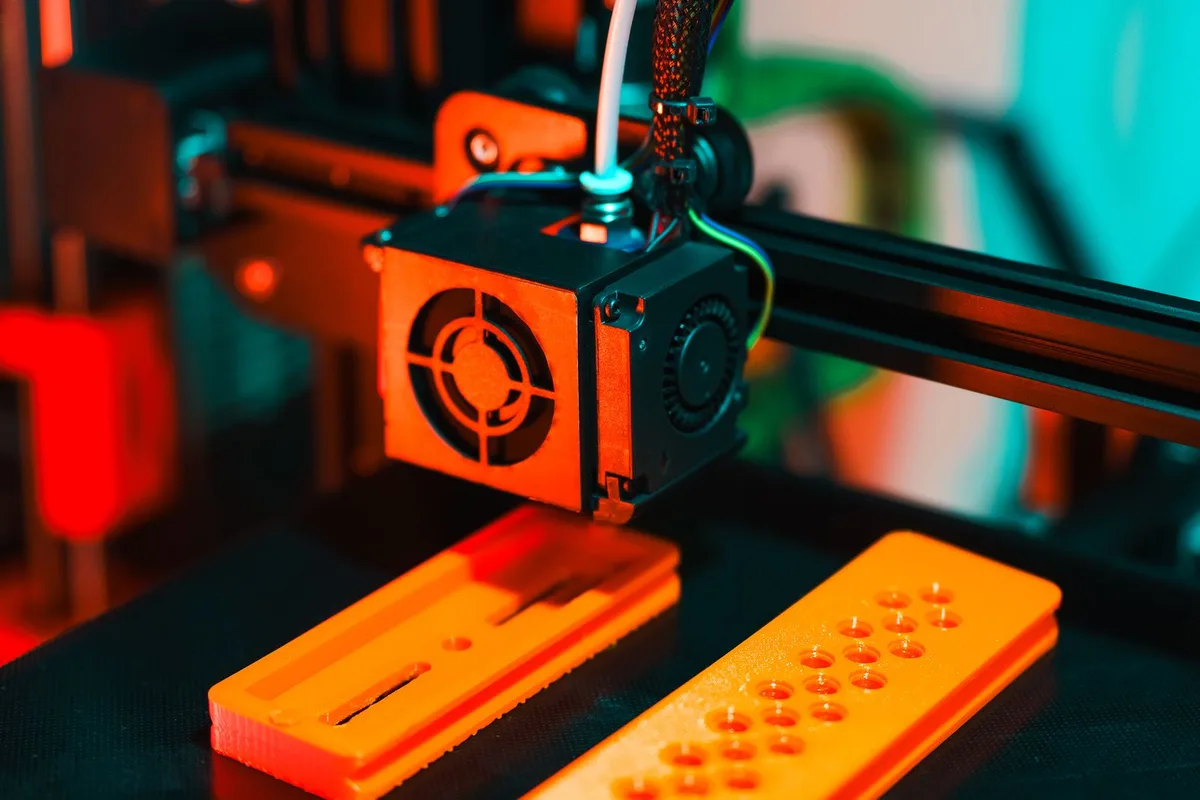
TPU is genuinely fun to print once you accept it moves at its own pace — flexible filament 3D printing is a different rhythm than PLA entirely. TPU filament temperature runs 220–250C, and it's soft enough that a Bowden setup will just buckle the filament in the tube before it ever reaches the hotend — direct drive isn't a suggestion here, it's close to a requirement. Slow down to 20–30mm/s and stop fighting it; TPU rewards patience and punishes anyone printing it like PLA.
Where it earns its keep: phone cases that survive a real drop, gaskets and seals, vibration dampeners under a 3D printer's own feet (a little on-brand), and shoe soles if you're feeling ambitious. I've made drone bumpers that outlasted the drone.
Nylon: Tough, Thirsty, and a Little Dramatic
Nylon 3D printing feels like a completely different material because it basically is — it's an engineering plastic first and a hobby filament second, running a nylon filament temperature of 250–270C compared to TPU's much cooler range. The payoff is real: parts that shrug off repeated stress the way PLA never could, which is why it's the go-to for gears, living hinges, and anything that needs to survive being an actual mechanical part rather than a display piece.
The drama is moisture. Nylon is aggressively hygroscopic — it will pull enough water out of the air to wreck a print within hours of being unsealed, showing up as popping sounds, weak layers, and a surface that looks more like a sponge than a part. Print straight from a dry box if you can, and don't trust a spool that's been sitting open "just for a bit."
Real Project Examples
Abstract categories like "gears" and "phone cases" don't tell you much, so here's what I've actually made with each:
- TPU: A GoPro chest mount bumper that's taken more falls than the camera has, replacement gaskets for a leaking sprayer bottle, and a set of drawer bumpers that finally stopped the 2am kitchen-cabinet slam.
- Nylon: A replacement gear for a stand mixer that outlasted the OEM part it replaced, drone arm skids that survived a genuinely bad landing, and a set of tool-organizer clips that get stepped on weekly in the garage and still haven't cracked.
Drying and Storage: The Non-Negotiable Part
This is the section every other guide treats as a footnote, and it's the difference between a good print and a wasted afternoon.
- TPU: Dry at 60–70C for 4–6 hours if it's been open more than a few weeks, or if prints suddenly show surface bubbling.
- Nylon: Dry at 70–80C for 8–12 hours before every single print if you're not printing straight from a sealed dry box — this isn't optional, it's closer to mandatory. Store in an airtight container with fresh desiccant between prints, not just between projects.
If you only take one thing from this section: buy a dry box before you buy nylon, not after your first ruined print.
Direct Drive vs. Bowden: Why TPU Cares So Much
A Bowden setup pushes filament through a length of PTFE tube before it reaches the hotend — for rigid filaments like PLA that's fine, but TPU is soft enough to compress and buckle inside that tube under pressure instead of moving forward. Direct drive puts the gear right at the hotend, giving the filament almost no room to escape sideways. If you're on a Bowden printer, TPU is still possible with slow speeds and a firm hand, but it's a genuinely different experience than on direct drive machines like the Ender 3 V3 SE or Bambu Lab printers.
Nylon is more forgiving of Bowden setups since it's rigid rather than squishy, but the moisture sensitivity doesn't care what extruder you have.
Which One Do You Actually Need?
- Need something to flex, bend, or absorb impact? TPU.
- Need something to survive mechanical stress without flexing? Nylon.
- Not sure yet? Neither — go finish getting comfortable with PETG first. These two are worth the hassle only once you have a specific part in mind that PETG genuinely can't handle.
FAQ
Can I print TPU and nylon on the same printer without upgrades?
TPU, generally yes, especially on direct drive machines. Nylon needs a nozzle rated for higher temperatures (most all-metal hotends handle 260C+ fine) and ideally an enclosure to manage warping on larger parts.
Do I need a hardened nozzle for TPU or nylon?
Not for plain TPU or nylon — a standard brass nozzle is fine. You only need hardened steel if you're using filled/reinforced variants like carbon-fiber nylon, which is a different, more abrasive material entirely.
Why does my nylon print look fine at first and then get weaker over time?
That's moisture absorption after the fact — nylon keeps absorbing humidity from the air even after printing, which can make finished parts more brittle weeks later. Store finished functional parts somewhere dry if long-term strength matters.
Is TPU or nylon harder to print?
Nylon, by a clear margin. TPU just requires patience and slower speeds; nylon requires genuine moisture discipline and a hotend that can hit higher temperatures reliably.
What's the best filament for gears?
Nylon, without much competition. It handles repeated mechanical stress and wear far better than PLA, PETG, or even TPU, which is why it's the standard choice for functional gears and hinges.
How long should I dry nylon filament, and does it really matter?
Yes, genuinely — dry at 70–80C for 8–12 hours before printing if it's not coming straight from a sealed dry box. Skipping this is the single most common reason nylon prints fail.
Do I need a direct drive extruder for TPU specifically?
Strongly recommended, not strictly mandatory. TPU is soft enough to buckle inside a Bowden tube under pressure; direct drive eliminates that failure point almost entirely.
Amazon Affiliate Picks
If you haven't nailed down the basics yet, our PLA vs PETG vs ABS filament guide is the right starting point, and our 3D printer filament selection has TPU and nylon spools by brand and color once you're ready.
Top 3D Printers to Consider

Bambu Lab A1 Mini 3D Printer
The Bambu Lab A1 Mini is the best beginner 3D printer available today. It self-calibrates, auto-leve…

Elegoo Neptune 4 Pro 3D Printer
The Elegoo Neptune 4 Pro delivers Bambu-level speed and ease of use at nearly half the price. Auto l…

Creality Ender 3 V3 SE 3D Printer
The Creality Ender 3 V3 SE is the most popular entry-level 3D printer in the world. Auto-leveling, a…

Prusa MK4 3D Printer
The Prusa MK4 is the most reliable and thoroughly engineered FDM 3D printer available. It self-calib…